Industrial world's stock exchanges face remarkable slump this Friday. Pessimists might exclaim that it is the beggining of the end, while pragmatists would customarily utter - that we knew that this day would come one day. The reason for this whole talk is the cheap credit market the indutrially developed world (including the Baltic States) have enjoyed throughout the early 21th century. The fact that there is a global system of free trade, and, there are no restrictions for the free movement of capital made the whole present system running. But for truly free global economic system also such issues are essential - unrestricted movement of labour and transparency of the governance systems.
While there is free movement of labour in the Baltic States among majority of the EU member countries there are restrictions for outside-EU workers coming in. If one speaks about transparency on the way governments in Tallinn, Riga and Vilnius are running then Riga has the hardest burden to bear. In my previous bliog entries I assumed that the summer vacation time would most definitely influence the relative inactivity of the governing coalition. Now, the interplay between internal developments and external pressure might foster the reshuffle of the Latvian government indeed.
These are postmen, nurses and doctors who are about to strike in Latvia. World stock markets are reflecting the bad health of the US housing/subprime market. Whenever the US market cathes bad health the rest of the world must feel it. The Economist wrote about the bad health of the subprime market and we shall see whether the bad health of the US market would make also the rest of the global markets contageous. Anyway, the housing market in the Scandinavian countries already experiences the slump and the Estonian and Latvian formerly booming housing markets shows first signs of the slowdown already.
The question now is whether governments are able to withstand the challenges posed by the possible global slump. Here we come back to the former discussion about the consequences of the irresponsible governance style in Latvia. While Estonian government has spared money with annual budget surpluses, it is Latvian government that still lives with the rozy shades and with the half baked anti-inflationary measures. The EU Commissioner of Finance Mr. Almunia, on his visit to Latvia in early July, warned Latvian PM about the excessive budget deficit. Nevertheless, the lack of fiscal discipline is endemic in this country and I wonder what the government shall do when in addition to postmen and doctors also other public sector workers would start reprimanding their due incomes? Latvian government faces serious challenges and there is still noone to face them seriously. Would the Summer vacation be cut short to someone among the governing circles, and government would start reshuffling already in August??
Friday, July 27, 2007


Saturday, July 21, 2007
Summer in Baltics
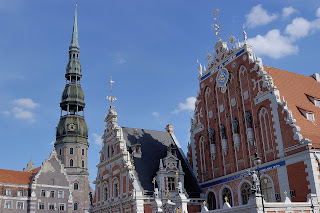
Because it is a summer time, I decided to publish another photo set made in the Baltic States by Mr Janos Soos in 2005. This time the set is published in the direction from the South in Lithuania to the North in Estonia. The photo-set includes Lithuanina hill of the crosses near Siaulia, Livonian Turaida castle in Sigulda, Riga Art Nouveau & Old Town as well as Hanseatic Tallinn and the Song Festival amphitheater.




Friday, July 20, 2007
New president chooses his team
Last Sunday I gave an interview to the Baltic Times (http://www.baltictimes.com/news/articles/18307/) where I expressed my thoughts about the new president. Talis Saule Archeadon made a good work and the only minor glitch in the interview is the term "night period", which in reality was thought as knight period (read...former Estonian president Arnold Ryytel translates as knight in Estonian, and he followed Lennart Meri's presidency, thus such term in Estonia:). My agument in an interview was that, if the new president wants to become an independent policy maker, then he must brake out from the circle of the governing coalition. Today the news came out that Normunds Beļskis (48, People's Party), who was assigned as his advisor prior his innauguration ceremony, would become member of his team in order to facilitate coordination of information between different government institutions, yet it was stipulated that he would not be chancellary staff member. Mr Zatlers already has his press secretary, Ms Inta Lase who can pretty well communicate with the "outer world" including other government institutions. Therefore, the legitimate question here is, whether it is a tactical manouver of the incumbent president and his chief of staff, Mr Stiprais in order to make everybody happy at the initial stage, is it thought that the snook is harmless, or president was giving in to the reprimands of the governing coalition?
Another designated member of the presidential team is the future security advisor, Mr Raimonds Rožkalns (50) has a rich history behind him. He is a former head of the security police, the post he had to leave after the alleged scandal linking him with the Soviet security services in 1996. During the high time of privatization (during the mid 1990's) charges were pretty much fabricated against anyone who was trying to make some sense in the murky post-soviet politics. After this scandal he worked in the Latvian Intelligence Agency (Satversmes Aizsardzības Birojs), becoming even an acting head of the agency in 2003, until after 2005 he became the Latvian representative in the NATO. There is not much information about the spooky world "out here", thus even more interesting piece for investigative journalists.
Another designated member of the presidential team is the future security advisor, Mr Raimonds Rožkalns (50) has a rich history behind him. He is a former head of the security police, the post he had to leave after the alleged scandal linking him with the Soviet security services in 1996. During the high time of privatization (during the mid 1990's) charges were pretty much fabricated against anyone who was trying to make some sense in the murky post-soviet politics. After this scandal he worked in the Latvian Intelligence Agency (Satversmes Aizsardzības Birojs), becoming even an acting head of the agency in 2003, until after 2005 he became the Latvian representative in the NATO. There is not much information about the spooky world "out here", thus even more interesting piece for investigative journalists.
Wednesday, July 18, 2007
It is a summer time
Vacation time is in full bloom in the Baltic Sea area. Mobile home vans with the licence plates from all over the EU could be seen on the Via Baltica and elsewhere. Saaremaa is traditionally visited by Finnish and Swedish tourists, and in Jūrmala traditional Russian tourists are mixing with Germans, British, Finns and Swedes. Have not been on the Curonian side of the Baltic Sea and Lithuania yet this summer, but I assume that pretty much the same trend is followed also there.
NATO officials these days in Mons discuss with the Baltic States respective representatives about the future of the air surveillance. The latter is provided now by the NATO allies in rotating order, and this system is agreed to exist until 2011. The official results of this meeting shall be known later and most probably Estonia, Latvia and Lithuania should start to tinker about purchasing of figher jets. Joint efforts here would probably work best and customarily one could follow the good examples of BALTNET, BALTRON and BALTDEFCO.
Military defense is important and especially now, when Russia is turning more self-assertive every day. The traditional Russian pre-election sabre rattling tactics has not changed, and it seems now that Kremlin's closed circle of friends have decided to continue verbal confrontation with the West. Divide et impera strategy works for Vladimir Putin, and the best way to secure balanced development of the Baltic States societies in the framework of such Russian strategy is to make their liberal economies and governance systems more transparent, thus more competitive and able to withstand global challenges.
Estonia has the best track record here and it is reflected in most of the indexes (just see the latest IT technology rating in the Economist or www.transparency.org). Lithuania has its problems with minority government, but at least they have internal consensus in the society. Latvia is traditionally the weakest link and unfortunately there is no light at the end of the tunnel.
The maire of Ventspils, who is charged with money laundering and graft, was released from the prison due to health reasons. The decision of the judge, Mrs Tamāra Broda to have a positive verdict in the sixth attempt of the Mr Lembergs defense team to bail out their client is still equivocal. There are rumours about possible reshuffle of the government because disatisfaction with the Minister of Economics is omniscient. Also the head of the PM's office Mr Māris Riekstiņš (former ambassador in the Washington D.C.) is considered as an underutilized asset in the Latvian governance system.
While the political elite tinker about best possible reshuffle of the government the Latvian political dinosaur, the Minister of Interior Ivars Godmanis (LC/LPP)
gave an interview to Latvijas Avīze today (http://www.la.lv/main1.php?dat=2007-07-19&id=3194227&type=la). In the long & rich interview the Minister admits that the productivity growth has been outpaced by the increase in the rate of salaries. With the population hemorreaging out of Latvia minister concludes that Latvian goverment has painted itself into the corner called - unsustainable economic system. At least there is one minister who admits that overheated Latvian economy is a problem, but his suggestions about alleviating the situation are a bit bizzare. Answering to the journalist's question - what next? - minister suggests that the best economists should be employed similarly to Germany in 2004(!), thus they would be handsomly paid to show the government the way out! This is truly brave to admit that problems exist, but in the meantime Latvian ministers never accept that the leadership is to be blamed for inadquate results of the economy running. Among several reports of Moody's , The Economist, Den Danske Bank and others, the most profound evaluation of the Latvian present economic situation was made by Messrs Alf Vanags & Morten Hansen (http://www.biceps.org/files/Inflation%20report%20II%20BICEPS%20web%20page%20version%206%20June.pdf). Instead of listening to the warning signals, Mr Godmanis blames the same economists as irresponsible theoreticians...yet, another example of "the responsible" Latvian government minister.
Finally, the question is why does the minister of interior have to come out with such "economic revelations"? Is it due to the fact that Mr Godmanis tries to position himself as the only one who understands the consequences of the irresponsible governance style of the government he is part of, or does he want to show that other ministers (of Economics, Finance and perhaps PM himself) are simply inadequate for their rank? It is widely accepted that monetary policy as well as major economic issues are made in Frankfurt & Brussels. The ECOFIN meetings are therefore utterly essential for every member state, but neither the Latvian finance nor economics ministers are able to converse in English... . Probably, this is another signal prior approaching government reshuffle, but slowly these signals come these days - because it is a summer time:)
Saturday, July 14, 2007
Saaremaa is almost a PARADISE!
Allright lads & lassies, here we go in Saaremaa! If you want to discover differences between Latvia and Estonia then welcome to the Kingdom of Saaaremaa!! Everything is different here, even male and female relationships.... . All in all, it is almost paradise because of Kaali meteorite crater, the Kuresaare castle convent like structure, Panga pank (Madam Inguna Krīgere likes this expression in particular:), and never ending juniper forests are here, and most of the Saremaa visitors seem to just LOVE IT!!!
Enjoy your Sunday folks!!
VS
Enjoy your Sunday folks!!
VS
Tuesday, July 10, 2007
Before whining show me your passport!
Parādi savu pasi!
Veiko Spolītis, RSU mācībspēks
Referendums par valdošās koalīcijas vecgada vakara steigā izdarītajiem drošības likuma grozījumiem ir noticis. 338 765 Latvijas pilsoņi jūlija saulainā dienā sameklēja balsošanas birojus un parādīja, ka viņi nav apmierināti par to, ka varas turētāji atklāti izsmej savus darba devējus. Ir vasaras vidus, un Centrālās vēlēšanu komisijas lēmums par referenduma rīkošanu 7. jūlijā bija loģisks, jo pasaulē acīmredzot nav precedenta, kad valdība varu būtu atdevusi bez cīņas. Latvijas demokrātiskais režīms pilnveidojas, un tas, ka referendumā piedalījās vairāk cilvēku, nekā 9.Saeimas vēlēšanās par lielākajām opozīcijas partijām nobalsojušie (par Jauno laiku —148 602, par Saskaņas centru — 130 887), norāda, ka uz referendumu aizgāja arī vēlēšanās par valdošo koalīciju nobalsojušie vēlētāji. Referenduma kampaņā gan piedalījās tikai viena no opozīcijas partijām — Jaunais laiks. Saskaņas centra aktivitātes trūkums visizteiksmīgāk atspoguļojās šīs partijas tradicionālajā atbalsta teritorijā — Latgalē.
Masu saziņas līdzekļos intervētie pilsoņi kā divus galvenos argumentus dalībai referendumā minēja sekošanu aizgājušās prezidentes aicinājumam un nepatiku par esošās valdības stilu. Vairas Vīķes—Freibergas aicinājums tautai izmantot savas likumdošanas tiesības bija loģisks Satversmē noteikts likumdošanas solis. Nepatika pret valdības bezatbildīgo un vīzdegunīgo valdīšanas stilu ir visaptveroša. Tāpēc šajā rakstā centīšos apkopot iemeslus referenduma kvoruma trūkumam un iezīmēšu nelielas aprises, kā Latvijas demokrātiskais režīms varētu attīstīties tālāk pēc vasaras atvaļinājumu laika.
Vox populi vox dei
Tautas teiktais atbalso Dieva teikto, un gandrīz miljons Latvijas vidusšķiras pārstāvji, neierodoties uz referendumu, parādīja, kāpēc Latvija atpaliek no saviem Baltijas kaimiņiem un atrodas Eiropas Savienības (ES) ekonomiski attīstīto valstu saraksta lejasdaļā. Vispārējais izglītības līmenis par demokrātiska režīma pamatprincipiem Latvijā ir nepietiekošs, un tas joprojām atspoguļojas Latvijas sabiedrības vēlmē risināt problēmas ar stingrās rokas palīdzību. Neizprotot līdzdalības jēdziena nozīmi pārstāvnieciskās demokrātijas apstākļos, Latvijā ir izveidojusies elitāra demokrātija, kur pilsoņi atstāj pilnvaras oligarhisku grupu rokās.[1] Kopumā vairākums Latvijas pilsoņu ir apmierināti ar savu pašreizējo labklājību, jo viņu pamatvajadzības ir apmierinātas. Veikali ir pilni ar precēm, pastāv neskaitāmas iespējas doties kādreiz liegtajos ārzemju ceļojumos, un tradicionālais trešdienu Kas notiek Latvijā? ir daudzkārt vienkāršāka demokrātijas līdzdalības forma nekā pašam uzņemties atbildību par sevi un valstī notiekošo. Nespēju uzņemties atbildību skaidro bailes, un šādas bailes arī skaidro lielākās Latvijas sabiedrības daļas rīcību. Bailes rada zināšanu trūkums, un to var viegli kompensēt ar aklu sekošanu tradicionālajai lietu kārtībai.
Sabiedrības lielākā daļa seko ierastajai lietu kārtībai, un tāpēc tā arī uzskatīja, ka šī referenduma gadījumā nav jāsaspringst. Pilsoņu vairākums, iespējams, ir noticējis varas turētāju divkosīgi sludinātajam, ka, iestājoties ES un NATO, Latvijas drošība ir garantēta. Diemžēl tas ir pašapmāns, jo drošība nekad nevar būt garantēta demokrātiskā režīmā, kura iedzīvotāju vairākums ir apātiski pret savu valsti. Šāda situācija nevar turpināties mūžīgi, un kādu dienu Latvijas stagnējošā politiskā kultūra var mainīt arī drošības alianses sabiedroto domas. ES arvien skaļākas kļūst runas par divu ātrumu Eiropu, kas ir sliktākais no scenārijiem Latvijai. Iekšpolitiski Latvija šobrīd ir sašķelta, un valdošajai elitei būs jāpaveic titānisks darbs, lai panāktu uzticību savam darbībam. Valdības pārstāvji varētu pārmest, ka šo rindu autors, jaunā prezidenta vārdiem, varētu darboties šīs lietas labā un beigt cīnīties. Darbojoties savā lauciņā un atbildot šādam hipotētiskam ieteikumam, teikšu tikvien, ka valdības nekonsekventā politika mani nekādi nepārliecina. Valdības vadītājs spēj dienas laikā nākt klajā ar trim dažādiem paziņojumiem par pretinflācijas plānu, bet parlamenta spīkers, atbildot uz politoloģes Vitas Matīsas jautājumu, pagājušās nedēļas, 4.jūlija, Domburšova laikā spēja mainīt savas domas vismaz trīs reizes. Un šie ir tikai daži no redzamākajiem piemēriem.
Ekonomika — biedējoša
Šī brīža ekonomiskā izaugsme ir šķietama un notiek, pateicoties ES iepludinātajiem līdzekļiem un Skandināvijas banku piedāvātajiem lētajiem kredītiem. Kad šo līdzekļu pieejamība beigsies, būs nepieciešama tāda Latvijas infrastruktūra un cilvēku resursi, lai spētu izturēt Latvijas tautsaimniecības globālos izaicinājumus. Kādi ir Latvijas ceļi, salīdzinot ar Lietuvu un Igauniju? Kādas ir Latvijas skolas, veselības iestādes un universitātes, un šajās iestādēs strādājošo algas? Šobrīd notiek ceļu remonti, bet atšķirībā no Igaunijas, kur ceļus jau neskaitāmus gadus atjauno gan somu, gan zviedru ceļa meistari, Latvijā nav dzirdēts, ka kādā no publiskajiem konkursiem būtu uzvarējusi firma, kura nav no Latvijas. Igaunijas budžeta pārpalikums ir daļa no stingri ieturētās labējās politikas, bet Latvijas budžeta deficīts turpretī ir tradicionāls. Sarunājoties ar kolēģiem no Igaunijas un Lietuvas, pārliecinos, ka izglītības sistēma šajās valstīs ir racionāli sakārtota, kamēr Latvijā izglītības sistēmā turpinās haoss.
Nepatika pret valdības rīcību parasti atbalsojas caur iedzīvotāju maciņiem. Šobrīd situācija Latvijas ekonomikā, salīdzinot ar pagājušā gadsimta deviņdesmitajos gados notiekošo, ir rožaina. Pieaugošās algas ļauj pirkt jaunus auto, iegādāties mājas hipotēku un visumā liecina par tautsaimniecības izaugsmi. Tomēr Latvijas ekonomikas veselība nav no labākajām, jo ko līdz 11% iekšzemes kopprodukta izaugsme, ja to “apēd” 8,8% inflācija? Nebeidzamais budžeta deficīts, katastrofālais tekošā konta deficīts un akūts darbaspēka trūkums visos tautsaimniecības sektoros ir patiesi biedējošs.
Izvēli atcerēsies rudenī
Šobrīd paliek atklāts jautājums, kas notiks tālāk? Nekas sevišķs, jo cilvēki turpinās iet uz darbu, kāds dosies atvaļinājumā, dzims bērni, un cilvēki dosies aizsaulē. Vienu vārdu sakot, dzīve turpināsies. Latvijas iedzīvotāji turpinās maksāt nodokļus, īsti nesaprotot, kā tos izlieto viņu ievēlētie priekšstāvji. Vasara Eiropas valstīm ierasti tiks pavadīta atvaļinājuma gaisotnē, un augusta beigās bērnu vecāki sāks gatavot savas atvases skolas gaitām. Septembra beigās rudens vēji atnesīs auksto laiku, kurš cilvēku maciņos liks sajust pirms vasaras sākuma palielinātās gāzes un elektrības cenas. Līdz ar enerģijas cenu kāpumu augs pārtikas cenas, un līdz ar to arī inflācija. Atceltie īres griesti kombinācijā ar pieaugošo maksu par apkuri liks pulkam ļaužu justies neomulīgi, un, iespējams, viņi jautās — kāpēc? Brīdinājuma signāli par Latvijas pārvaldes kvalitāti, kura neizbēgami iespaido Latvijas tautsaimniecību, ir bijuši neskaitāmi. Redzamākie no tiem ir Baltijas Starptautiskā Ekonomikas Politikas Studiju Centra (BICEPS) pētnieka un izpilddirektora Alfa Vanaga un asociētā pētnieka Mortena Hansena (Morten Hansen) pētījums[2], un The Economist analīze par Austrumeiropas pārkarsušajām ekonomikām, kur Latvija ir atklāti nosaukta par visproblemātiskāko valsti.
Sekojot ierastajām tradīcijām, Latvijas pilsoņi, iespējams, sunīs valdību un valsti par nespēju nodrošināt viņu labklājības nepārtrauktību, nesaprotot, ka arī viņi paši demokrātijas apstākļos ir daļa no valsts. Iespējams, apķērīgākie dosies jaunos darba meklējumos uz Eiropas Rietumu daļu, un visam pa vidu Latvijas pilsoņi gaidīs jaunā prezidenta spējas radīt sekošanai cienīgu ideālu. Rudenī būs atlikuši vēl trīs gadi līdz nākamajām vēlēšanām un premjeram, izmantojot Latvijas reālpolitiskās spēles noteikumus, iespējams, ienāks prātā, ka, tomēr ir jāatgriežas pie drošības likumu labojumiem. Latvijas pilsoņi, iespējams, rādīs nepatiku, aizmirstot, ka iespēja padarīt likuma grozījumus neatgriezeniskus tika dota simboliskajā 7.jūlija dienā. Lai tiem, kuri vaimanās visskaļāk, pārējie līdzpilsoņi palūdz parādīt pasi, jo tajā esošais zīmogs liecinātu par šādu vaimanātāju konsekventu godaprātu.
Ekonomikā mīkstas nosēšanās iespējamība ir tikai gadījumā, ja valdība aktīvi izmanto politiskās un ekonomiskās sviras, lai risinātu tautsaimniecības izaicinājumus. Aigara Kalvīša (TP) valdības politika aktīvu soļu speršanas vietā ir nolēmusi virzīties pa pussolim. Šādi tipinot, rudenī var sagaidīt, ka Latvijas sabiedrības lielāko daļu pamodinās tautsaimniecības smagā nosēšanās.____________________
[1] oligarchia grieķu val. - nedaudzu vara
[2] http://www.biceps.org/lv/OccasionalPapers
Sunday, July 8, 2007
Oblivion in the post-soviet welfare society
Regardless of the numerous signals about a sick state of the Latvian economy (look just into the latest BICEPS report by Alf Vanags and Morten Hansen or latest synopsis of Edward Lucas in The Economist), majority of Latvian citizens (about 1 million eligible voters) feel satisfied enough and seem to be oblivious about the sorry state of their economia (houshold in Greek language). Current and trade account deficit, inflation rate, stalling economic growth and outpouring workforce are just the most visible data about the sorry performance of the delapidated Ms Latvia. Today, the new president would be oficially sworn into the office, and, that sets in the Latvian "knightly period" (knight translates as ryytel in Estonian) to paraphrase my good friend Mel's expression. In Estonia Lennart Meri established a rather high professional and moral standart for the Estonian presidency, thus the follow up presidency was simply classified as period of Arnold Ryytel. Similarly to its Northern cousin Vaira Vīķe Freiberga established high moral and profesional standards for Lavian presidency. The new president faces titanic task in order to match the previous record, and it will not be an easy task for Valdis Zatlers to consolidate the society where the 30 percent (323 000 people) are not happy about the sorry state of their houshold, and the rest of 70 percent (one million) are ignorant in their petit burgueois oblivion and led by the narrow group of smug manipulators.
The semi-official result of the yesterday's referendum voter turnout is 323479 persons. It is a good result considering that it was a bright and sunny summer day and shows that civil society exists in Latvia. The most active voters were in Vidzeme and Riga metropolitan area whereas the least active were in Latgale. In Ireland and the UK, where allegedly about 100 000 Latvian citizens reside, the turnout was about 200. The conclusion thus is, that the Latvian Irish and the UK contingent has left home very much due to the inability of the Latvian government to ensure their humane development. Adds in the www and radio were only in Latvian, thus native Russian electorate was not addressed at all. Just to compare the 9. Seaima parliamentary elections turnout with the yesterday's referendum one may notice, that the number of dissatisfaction in the society is growing, if one considers that referendum turnout is higher than voter turnout for opposition parties during latest parliamentary elections. Jaunais Laiks (JL) (148602), Saskaņas Centrs (SC) (130887) are opposition parties and together they got about 280000 votes. SC traditional voters reside in Latgale and Riga. It is hard to say, now whether SC electorate was active in Riga or not, but at least all is clear about Latgale. Thus, very robust analysis shows that probably some voters who voted in parliamentary elections for the governing coalition (Tautas Partja (TP) got 177481 and ZZS 151595) showed their dissatisfaction with the bahaviour of the government yesterday. Aye, also the votes of parties that did not overcome the 5% threshold (LSDSP-31725, Visu Latvijai-13469, Jaunie Demokrāti-11505, Pensionāru kop-7157, Eiroskeptķi-3365 =circa 67 000) were divided between other parties that overcame the threshold, and they most probably were among the 323 000 participants in the referendum. vox populi vox dei...and life still goes on after the referendum. Therefore, the question is why the oblivion of the majority of the society persists, and how to develop further in the situation where Kremlin hawks incresingly rattle their sabres, and the US is still bogged down in Iraq and Apghanistan?
The answer to the first part of the question is rather obvious - majority of the Latvian electorate are not educated about the basic principles of self-government in liberal democracy. Together with Dr. Axel Reetz we have investigated reasons for this phenomena and you may read it in German in Aktuelle Probleme postsozialistischer Laender Das Beispiel Lettland (Verlag Wilhelm Surbir, Wittenbach/SG:2007)Axel Reetz (Hrsg.) or in Latvian (Ilgas pēc nevainīgas politikas) in http://www.politka.lv/. However, there are such trivial issues we did not even investigate, and they are cheating at school, at university and to oneself. When person is not sure about him/herself it tries to find several excuses not to face the real facts. Such lying to oneself is endemic in Latvian schools and universities. For several years Latvian Examination Test Centre cannot prevent test information leaking prior the highschool final exams. There were complaints of graduates from the Riga 1. Gymnasium last year, but to no avail, the Minister of Education is indispensable. Average or outright bad students get good grades at the final examination, and they are whopped into universities. Cheating continues there as well, and overstreched staff tries to promote the best minds while mostly burdened with comparing latvianized essays with the English ones in http://www.google.com/. Such half-baked underachievers find their way through the traditional networks of the Latvian society, and the result is that those who cheat believe that everyone does the same, thus promoting the culture of cheating. Thus, the legitimate question now is, for how long can such society that openly preferres vices to virtues carry on like this? I believe not too long.
To answer the second part of the question one must analyse what is going on in the international arena. Russia prepares to go to the State Duma election spectacle at the end of this year and the new Russian president would be elected on March 2008. There will be elections in the US next year as well. Russia has its strategic interests in the Baltic states and they never hid it plus Latvia is the weakest link among the Baltic sisters. The US power is overstreched and supporting weak and corrupt members of the Coalition of Willing cannot continue indefinetly. In order to stand independent in the changing world there must be an orderly situation at home, thus society would be proud about their leadership and easily follow it in order to face the upcoming challenges. Society that does not trust its leadership has no future and ancient Greek struggles between democratic Athens and oligarchic Sparta serves as a very good example here. What do we have at home in Latvia???? You know the answer:-)
Subscribe to:
Posts (Atom)